What Should I Pack for the Manchester Marathon in April Weather?
The Manchester Marathon, run every April, is one of the UK's premier road races. If you're planning to tackle its 26.2 miles, knowing what to pack given Manchester's typical April weather is crucial. From managing the roughly 12-13°C daytime highs to chilly 5°C overnight lows, being prepared can make the difference between a comfy PB attempt and a tough slog.
Manchester Marathon Overview: Date, Scale, and Time Limit
The Manchester Marathon is traditionally held on the third Sunday of April, a time when spring weather in the city still retains a slight chill, especially in the early hours. The race attracts over 10,000 runners each year, making it one of the UK's largest marathons outside of London. Its scale means you'll deal with crowding especially near the start and throughout the city-centre sections.
Time Limit: The race enforces a generous 7-hour time limit. This allows both seasoned racers and first-timers to comfortably complete the course without worrying about cut-offs. However, always keep an eye on warnings regarding pace groups and marshalled road closures to avoid getting swept.
Entry Process and Sell-Out Reality
The official ballot for the Manchester Marathon usually opens in the summer preceding the race year and closes quickly due to high demand. Entries typically sell out within days — the popularity is that high.
Here's what kills me: if you miss the ballot, you can enter as a charity runner or via club ballot allocations. Be warned: charity places often come with financial commitments.
Charity Places and Real Costs
Charity Registration Fee Minimum Sponsorship MS Trust £40 £500Charity runners for organisations such as the MS Trust need to be prepared for the financial reality: a £40 registration fee and a minimum £500 sponsorship target. While demanding, it’s a well-supported route to race entry if official places are unavailable.
Course Route, Elevation, and Certification History
The Manchester Marathon boasts a fast, mostly flat route certified by UK Athletics, attracting many hopefuls aiming for a personal best or Olympic qualifying time. The course runs from Manchester city centre out into the suburbs before looping back, providing scenic views of landmarks such as Old Trafford and Heaton Park.
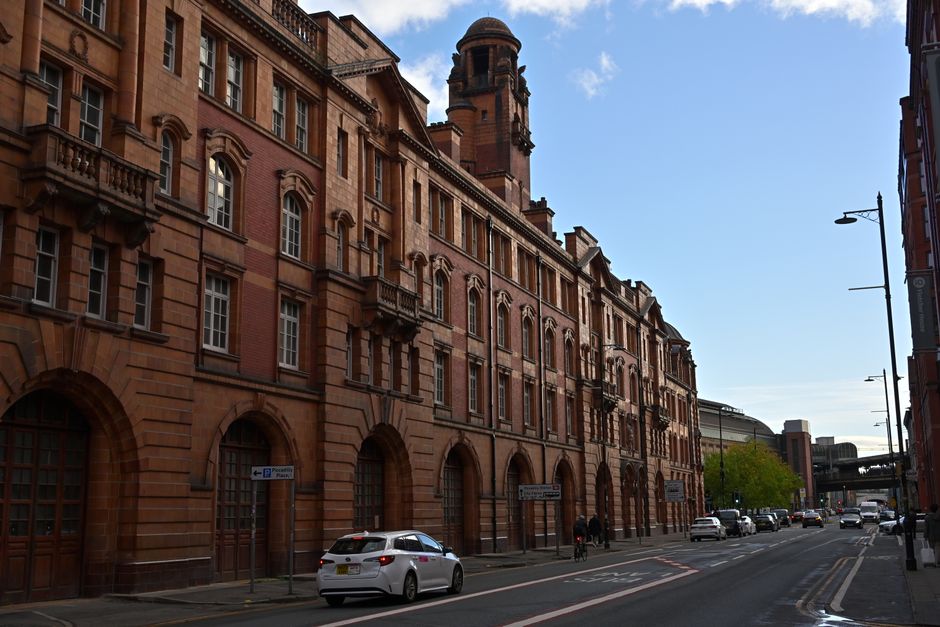
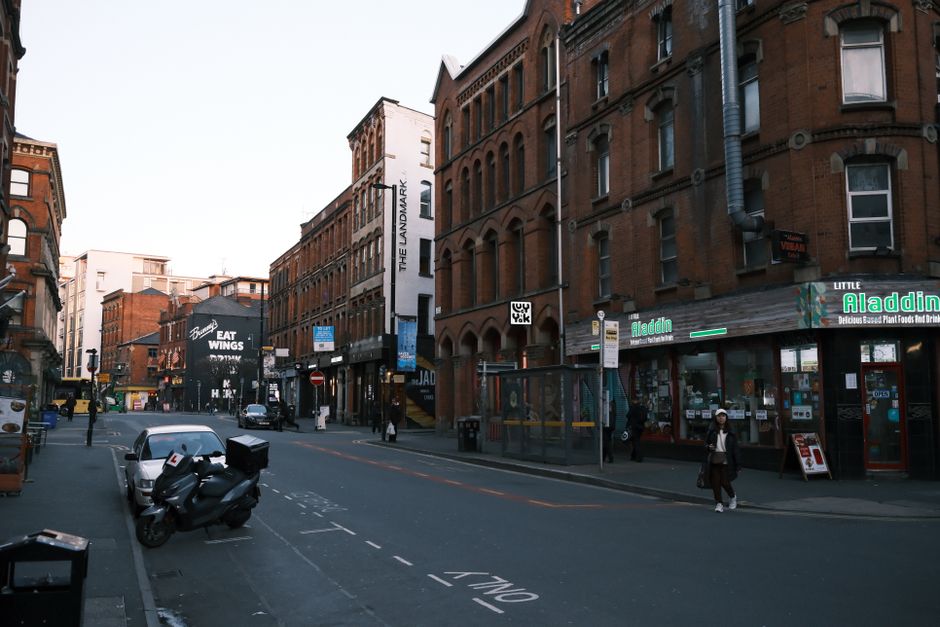
Elevation changes are minimal — typically less than 50 metres total ascent — making it one of the flatter UK marathons. Still, runners should anticipate slight inclines around the 20km and 36km marks.
Course Route and Resources
- The official route is well marked and fully marshalled.
- Road closures are fully in place from early morning; check the detailed organiser PDF for exact start times and access roads.
For tech-savvy runners, importing the official 2026 route GPX into your Garmin or compatible device is a smart move for training and race-day navigation (disclaimer: official course maps can depend on final route confirmation from organisers). For this, third-party services like goandrace.com offer downloadable GPX files. Pretty simple.. While these are helpful, always use them as a guide rather than a guaranteed "official" source.
Packing for Manchester Marathon: What Should You Bring?
April in Manchester usually ranges between 12-13°C daytime highs and 5°C overnight lows. Early morning start times mean you'll face cooler conditions on arrival, warming as you race. Packing smartly for these variable temperatures is key.
1. Disposable Layer for the Start
A disposable layer (such as a cheap foil blanket or old shirt you can discard right after the start) is a must-pack item. It will keep you warm during pre-race waiting times in air-temperatures near 5°C without adding unwanted weight once you get going.
2. Lightweight Breathable Clothing
- Base Layer: Moisture-wicking, breathable running top and shorts or leggings.
- Optional Long Sleeve: Depending on your cold tolerance, a long sleeve can help early on but may be discarded.
- Cap or Buff: To keep the head and neck warm but avoid overheating.
3. Footwear and Socks
Trusted running shoes, ideally well broken-in, but lightweight for speed utility. Moisture-wicking socks help avoid blisters during the full 26 miles.
4. Hydration and Fueling Options
- The Manchester Marathon offers official water and energy drink stations roughly every 5 km.
- You can carry your own gels, chews, or hydration pack, but keep it light.
5. Gadgets and Navigation
- A GPS watch (such as Garmin devices) loaded with the course GPX file (downloadable from goandrace.com).
- Phone in a waterproof case for emergency or pace updates.
6. Post-Race Essentials
- Warm clothes for after the finish, especially if you plan to wait for friends or spend time at the medal ceremony.
- Foil blanket supplied at the finish but packing your own means extra comfort.
- Snacks or sports drinks for immediate refuelling.
Race Weekend Tips: Start Time and Station to Save Walking
The race start time is typically around 9:30 AM but confirm for your year. Arriving early enough—ideally 1.5 to 2 hours before—is best for bag drop, warming up, and stress-free positioning.
Transport Tip: The Deansgate-Castlefield tram stop saves the most walking to the start area on Portland Street. It’s closest to the north side of the city centre start line and avoids the busier Piccadilly https://the5krunner.com/2026/08/27/manchester-marathon-2027/ station walk.
Race Week Kit List (my personal notes)
- Disposable start layer (old shirt or foil blanket)
- Light jacket for early morning
- Running vest and shorts/leggings
- Cap or buff
- GPS watch with official GPX loaded
- Race bib and safety pins
- Hydration belt or own gels
- Moisture-wicking socks and shoes
- Post-race warm clothes
- Snacks for after the finish
- Mobile phone and emergency contact details
Final Thoughts
Manchester Marathon is a fantastic spring race that combines flat, well-certified course profile with the vibrancy of a major UK city. Successful packing revolves around managing temperature fluctuations, race-day logistics, and ensuring you have reliable navigation tools. Bring your disposable layers to survive the early chill, load your Garmin with the route to keep pace, and prepare for a fun but busy London-style marathon experience.
See you at the start line, bagged, laced up, and ready for 26.2 miles through Manchester.